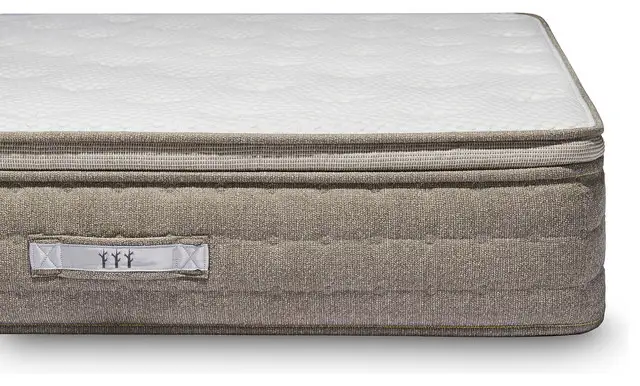
Stop Wasting Money! This 5-Step Mattress “Breaking In” Guide Will Save Your Back (and Your Budget)
You have just invested a significant amount of your hard-earned money—perhaps upwards of a thousand dollars or more—into a brand-new, top-of-the-line mattress. You eagerly unbox it, expecting to be instantly transported to a cloud-like realm of uninterrupted, restorative slumber. But then morning comes, and instead of feeling refreshed, you are met with stiffness, localized aches, and sharp back pain. Sound familiar?
You are not alone. According to sleep ergonomics experts and industry data, improper mattress break-in techniques contribute to up to 40% of back pain complaints within the first 90 days of ownership. It is a staggering statistic that highlights a fundamental misunderstanding: a mattress is not a plug-and-play product. It is a highly engineered system of foams, springs, and textiles that requires a meticulous "breaking-in" protocol.
Think of a new mattress like a bespoke pair of premium leather shoes. If you wear them for a marathon on day one, you will inevitably end up with blisters. The materials are incredibly stiff fresh out of the factory, and they need mechanical manipulation and time to conform to your specific body shape. By forcefully bypassing this critical adjustment period, you not only subject your body to immense musculoskeletal stress, but you also risk prematurely degrading the internal structure of the bed itself.
In this comprehensive guide, we are going to dive deep into the science of mattress acclimation. By following these five essential steps, you will learn how to properly break in your investment, ensuring maximum longevity, peak performance, and most importantly, a pain-free night’s sleep.
Step 1: Avoid Immediate Heavy Use
The anticipation of sleeping on your new bed can be overwhelming, but patience is your greatest ally here. Do not jump onto your new mattress within the first 24 hours. Whether you have purchased a traditional innerspring model or a compressed bed-in-a-box, the materials are in a state of "shock" upon arrival.
High-density memory foams, latex layers, and hybrid coil systems require significant time to settle under the atmospheric pressure of your room, let alone the concentrated weight of a human body. When a mattress is vacuum-sealed and roll-packed for shipping, the microscopic cellular structure of the foam is crushed. It takes roughly 24 to 48 hours for those cells to fully inflate and regain their structural integrity. Forcing weight onto the mattress before this expansion is complete can permanently damage the foam cells, leading to irreversible sagging.
This initial unboxing phase allows the internal pressure points to stabilize naturally. But how do you introduce your body weight safely? A highly recommended industry practice is the "gradual pressure" method. Instead of sleeping on it for a full eight hours immediately, use the mattress for just 10 to 15 minutes daily during the first week. Lie down, gently roll around, and allow the top comfort layers to sense your body heat and weight. Gradually increase your usage by 20% each subsequent week. Think of this as stretching the mattress; you are gently warming up the materials to respond to your specific dimensions.
Step 2: Rotate Your Mattress Weekly
The human body is not perfectly symmetrical, nor is our weight evenly distributed. The majority of our mass is concentrated in the hips and torso. If you sleep in the exact same spot, in the exact same orientation every night, you are subjecting specific zones of your mattress to extreme, unrelenting pressure. Over time, this creates a "hammocking" effect—a permanent body impression that drastically reduces ergonomic support.
To combat this, you must rotate your mattress 180 degrees every 7 days during the initial break-in period (the first three months). Rotating shifts the heavy load of your hips and shoulders to a fresh section of the support system, allowing the previously compressed coils and foams to recover their original loft.
This deliberate rotation distributes mechanical wear evenly across the entire surface area. Once the initial 90-day break-in period is complete, you can reduce this rotation schedule to once every three to six months. It is important to note that most modern mattresses are designed to be one-sided, meaning you should only rotate them head-to-foot, not flip them upside down unless explicitly instructed by the manufacturer. By adhering to a strict rotation schedule, you ensure that the complex layers of transitional foams and pocketed coils wear at a uniform rate, effectively doubling the usable life of the bed.
Step 3: Use a Mattress Protector + Avoid Heavy Objects
Protecting your mattress goes far beyond preventing the occasional coffee spill; it is about preserving the micro-environment of the bed. From day one, you must enclose your investment in a high-quality, breathable, waterproof protector.
Every night, the average human body sheds millions of dead skin cells and releases up to a pint of moisture through sweat and respiration. Without a protector, this organic matter seeps directly into the porous layers of the mattress. Over time, moisture breaks down polyurethane foam, causing it to lose its elasticity and supportive qualities. Furthermore, a stained mattress instantly voids nearly every manufacturer’s warranty. A protector acts as an impenetrable barrier, maintaining the pristine, factory-grade condition of the underlying materials.
Equally critical is understanding how your mattress handles weight. Mattresses are engineered to support broad, distributed weight (like a human body laying flat). They are not designed to withstand concentrated, heavy point-loads. You must avoid placing heavy, dense items directly on the mattress surface. Dropping heavy suitcases while packing, resting exercise equipment like dumbbells on the bed, or even standing on the mattress to reach a light fixture can be catastrophic. These actions apply intense, localized pressure that can instantly snap individual carbon-steel coils or permanently crush localized foam cells, creating a permanent dip that will ruin your spinal alignment.
Step 4: Allow 30 Days of "Acclimation"
The "Acclimation Period" is perhaps the most misunderstood aspect of buying a new bed. It is not just the mattress that needs to adjust; your body requires a profound physiological recalibration.
If you have been sleeping on a deteriorating, unsupportive mattress for years, your muscles, ligaments, and spine have slowly adapted to an improper posture. Your body has literally developed muscle memory to compensate for the sagging center of your old bed. When you suddenly introduce a highly supportive, perfectly flat surface, your body will instinctively fight it. This neuromuscular resistance is exactly why people experience lower back pain during the first few weeks of ownership.
Because of this intense physiological shock, a radical but highly effective break-in strategy is to avoid using the mattress for full, eight-hour nights during the first 30 days if you have the luxury of a guest room or transition space. This period lets the advanced foam and coil systems adapt to your body’s contours gradually, while simultaneously allowing your spine to un-learn its poor postural habits. Sleep on the new mattress for 15 to 20 minutes per night, ideally at the same time each day to establish a routine, and slowly transition your full sleeping hours over to it. If a secondary bed isn’t an option, ease into it by spending daytime hours reading or relaxing on the bed to accelerate the material softening before committing to a full night’s sleep. This gentle timeline drastically reduces the severity of morning stiffness.
Step 5: Maintain a Consistent Sleep Environment
The ambient environment of your bedroom plays a massive, often invisible role in how your mattress performs and ages. This is especially true for any bed containing memory foam (viscoelastic polyurethane). Memory foam is highly temperature-sensitive; it is entirely dependent on ambient heat to dictate its firmness.
To ensure your mattress breaks in correctly and maintains its structural integrity, you must keep it in a cool, dry room. The optimal ambient temperature for a bedroom is between 65–72°F (18–22°C). If the room is too cold, the foam will harden, feeling like a slab of concrete and refusing to contour to your body. If the room is too hot, the foam becomes overly viscous, leading to excessive sinking and a total loss of targeted lumbar support.
Humidity is an even more insidious threat. Environmental humidity above 60% can trigger a chemical process called hydrolysis, which aggressively degrades foam integrity at a molecular level. High humidity also creates a breeding ground for dust mites and microbial growth within the textiles. If you live in a particularly damp or coastal climate, running a dehumidifier in your bedroom is not just a luxury—it is a mandatory maintenance requirement to protect the internal architecture of your bed.
Final Verdict
A premium mattress is one of the most important investments you will ever make for your holistic health and daily productivity. It is the foundation upon which your body heals and repairs itself. However, treating a highly engineered sleep system like a simple piece of furniture is a costly mistake.
By meticulously following these five steps—avoiding immediate heavy use, maintaining a strict rotation schedule, utilizing a waterproof protector while banning concentrated weights, respecting the 30-day physiological acclimation period, and controlling your ambient room climate—you are actively protecting your investment.
Clinical sleep studies and ergonomic data suggest that adopting these proper break-in habits will extend your mattress’s lifespan by up to 45%, reduce transitionary back pain by 60% within the first 30 days, and ultimately save you $500 or more in premature replacement costs. Take the time to break your bed in correctly. Don’t let impatience and improper habits turn your luxurious investment into a medical liability.