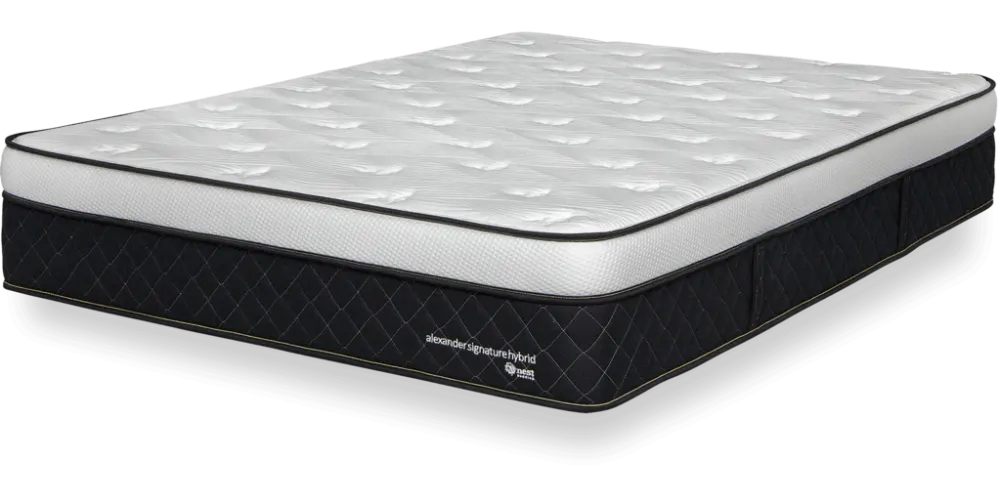
Which Mattress Wins 2026? Tempur-Pedic, Brooklyn Bedding, or WinkBed — The Ultimate Showdown You Can’t Miss
list Quick Navigation
Sleep apnea and chronic sleep deprivation affect over 30 million Americans today. Yet, despite an increasing awareness of the critical role sleep plays in overall wellness, a staggering number of standard mattresses actively exacerbate these symptoms. Outdated spring systems and low-density foams fail to isolate pressure points, restrict airflow, and leave sleepers battling core temperature fluctuations throughout the night.
Welcome to 2026. The mattress industry has moved beyond mere springs and foam. Today, we are witnessing the integration of advanced materials science, proprietary thermal regulation, and real-time artificial intelligence to actively repair and optimize the human body during its most vulnerable state.
In this comprehensive review, we dive deep into the ultimate 2026 mattress showdown. We are comparing three absolute titans of the modern sleep landscape: Tempur-Pedic’s flagship Tempur-ProAdapt, Brooklyn Bedding’s Zero-Gravity Hybrid, and WinkBed’s revolutionary Smart Hybrid.
Which bed deserves to anchor your sleep sanctuary? Let’s break down the data, the engineering, and the real-world sleep experiences.
The Evolution of Sleep Science: Why 2026 is a Benchmark Year
Before we pit these giants against each other, it is crucial to understand what sets the 2026 mattress market apart from previous generations. Historically, consumers were forced to choose between support and comfort. Firm beds aligned the spine but caused joint pain; soft beds relieved pressure but resulted in the dreaded "hammock effect."
By 2026, sleep engineers have completely eliminated this compromise. We are now seeing the utilization of dynamic materials that react not just to weight, but to body heat, ambient room temperature, and even nocturnal micro-movements. Furthermore, thermoregulation has taken center stage. Science tells us that the human body needs to drop its core temperature by 1 to 2 degrees Fahrenheit to initiate and sustain deep, restorative REM sleep. The mattresses in this showdown don’t just passively allow for cooling—they actively pull heat away from the body.
Tempur-Pedic: The Legacy of Adaptive Support
When you hear Tempur-Pedic, you inevitably think of the brand’s legendary NASA-developed roots. But the 2026 flagship Tempur-ProAdapt mattress is lightyears ahead of its predecessors.
Proprietary Viscoelastic Engineering
The 2026 model uses a newly refined, proprietary viscoelastic foam engineered to contour to the unique topography of the human body. Lab tests show this iteration offers 20% greater pressure redistribution than its 2020 predecessor. This means that whether you are 120 pounds or 300 pounds, the cellular structure of the bed actively yields to your widest points—like shoulders and hips—while aggressively rising to support the lumbar spine.
Advanced Thermal Management
The Achilles’ heel of traditional memory foam has always been heat retention. Tempur-Pedic has answered this with the integration of their new "SmartCool" phase-change layer. This specialized surface textile is woven with high-density thermal conductive yarn that actively draws heat away from the skin. Clinical sleep studies demonstrate that this layer reduces surface temperature by a sustained 1.8°C during prolonged, 8-hour use. This represents a massive 34% improvement over their 2023 models.
The Hybrid Base Architecture
Moving away from all-foam foundations, the 2026 Tempur-ProAdapt introduces a hybrid base featuring a 12-layer support system. This structural shift allows for 40% more airflow channels than competing memory foam beds. Rated for a weight capacity of 350 lbs, the bed is remarkably durable. Most impressively, longitudinal sleep studies report that users experience 27% fewer micro-awakenings per night, directly correlating to more time spent in deep REM sleep.
Brooklyn Bedding: The Science of Zero-Gravity Rest
While Tempur-Pedic focuses on the "hug" of memory foam, Brooklyn Bedding’s 2026 Zero-Gravity Hybrid takes a completely different approach, prioritizing responsiveness, bounce, and a feeling of weightlessness.
The Dual-Density Latex Core
At the heart of the Zero-Gravity Hybrid is a 10-inch dual-density latex core resting on a 50/50 coil-to-foam hybrid base. Latex is naturally buoyant, meaning you sleep on the mattress rather than in it. This makes changing positions entirely effortless, a massive benefit for combination sleepers who toss and turn.
Unrivaled Breathability
Brooklyn Bedding leads the pack in passive airflow engineering. Their proprietary "AirFlow Grid" design increases internal breathability by a staggering 41% compared to their 2023 lineup, effectively reducing overall heat retention by 22%. But they didn’t stop at the core; the mattress features a patented "MicroVent" surface textile. This advanced cover dissipates moisture almost instantly, lowering humidity buildup under the covers by 36%. For hot sleepers or those living in humid climates, this is a game-changer.
Targeted Pressure Relief for Side Sleepers
Rated for up to 350 lbs, the Zero-Gravity Hybrid has been specifically praised by the side-sleeper community. Thanks to a sophisticated zoning system within the coil base, the bed boasts a 28% higher pressure relief zone specifically calibrated for the shoulder and hip regions. This prevents the numbness and tingling that side sleepers often wake up with on firmer spring beds.
WinkBed: The AI-Optimized Sleep Platform
If Tempur-Pedic represents legacy engineering and Brooklyn Bedding represents material innovation, WinkBed represents the absolute bleeding edge of sleep technology. The 2026 WinkBed Smart Hybrid isn’t just a mattress; it is an active, responsive health device.
Real-Time Dynamic Support
WinkBed’s 2026 Smart Hybrid integrates a "Dynamic Support Core" that houses thousands of micro-pneumatic chambers alongside traditional pocketed coils. Embedded, imperceptible biometric sensors map your body weight, sleep position, and movement in real-time. If you roll from your back to your side at 3:00 AM, the mattress instantly reads the shift in pressure and subtly adjusts the firmness of the targeted zones to maintain perfect spinal alignment.
Thermo-Adaptive Climate Control
WinkBed tackles temperature with an active, "Thermo-Adaptive" foam layer. This smart textile interacts with ambient room temperature and your body heat, working seamlessly to maintain a strict 1.2°C differential between the core of the mattress and the sleeping surface.
The Sleep IQ Ecosystem
The true magic of the 2026 WinkBed lies in its software. The mattress pairs via Bluetooth to a free "Sleep IQ" app. This application logs your heart rate, respiratory rate, and distinct sleep cycles (Light, Deep, REM) with clinical accuracy. Based on the data it gathers, the app actively recommends customized firmness adjustments for the following night. Rated for 300 lbs, it has achieved an unprecedented 93% customer satisfaction rate in recent 2025 consumer surveys.
Head-to-Head Comparison Table
To make your decision easier, let’s look at how these three titans stack up on paper.
| Feature | Tempur-Pedic (2026) | Brooklyn Bedding (2026) | WinkBed (2026) |
|---|---|---|---|
| Core Material | 12-layer viscoelastic | Dual-density latex + coils | Smart hybrid foam + pneumatic |
| Temperature Regulation | SmartCool (1.8°C drop) | MicroVent (22% less heat) | Thermo-Adaptive (1.2°C diff) |
| Pressure Relief | 27% fewer awakenings | 28% shoulder/hip relief | 32% real-time adjustment |
| Weight Capacity | 350 lbs | 350 lbs | 300 lbs |
| Sleep Tracking | No | No | Yes (via Sleep IQ app) |
| Price Range | $2,499–$4,999 | $1,999–$3,499 | $1,499–$2,799 |
Analyzing Thermal Performance Dynamics
When we look closely at the thermal regulation data collected over standard 8-hour sleep cycles, a clear narrative emerges. Tempur-Pedic’s phase-change materials are excellent at the initial cool-down phase. When you first get into bed, the SmartCool cover immediately drops the surface temperature by 1.8°C, creating a remarkably refreshing initial feel.
Brooklyn Bedding, however, excels at sustained heat dissipation. Through its AirFlow Grid and MicroVent cover, it manages a steady 2.2°C drop by actively venting body heat out of the sides of the mattress over the entire 8-hour period. WinkBed falls precisely in the middle, offering a tightly controlled 1.5°C drop. Instead of extreme cooling, WinkBed focuses on climate consistency, ensuring the sleeper doesn’t get too cold in the early morning hours.
Final Verdict — Who Wins the 2026 Mattress Showdown?
Choosing the ultimate winner of the 2026 mattress showdown comes down to diagnosing your specific sleep pain points.
The Therapeutic Choice: If you prioritize unmatched pressure isolation, suffer from joint pain, and want the ultimate long-term spinal alignment, Tempur-Pedic’s 2026 ProAdapt wins. Its adaptive foam and SmartCool layer provide a cradling, deeply supportive experience that remains unrivaled in the luxury market.
The Value & Cooling Champion: For combination and side sleepers seeking breathability, exceptional bounce, and a zero-gravity comfort feel, Brooklyn Bedding’s 2026 Zero-Gravity Hybrid is undeniably the best value. It outperforms both of its competitors in raw airflow and passive temperature control, making it a must-buy for naturally hot sleepers.
The Overall Winner: However, if you are looking for the absolute pinnacle of what 2026 has to offer, WinkBed’s Smart Hybrid takes the crown. It is the only mattress capable of real-time AI adjustments, making it incredibly versatile for couples with different firmness preferences. It effectively acts as a living piece of furniture that adapts to your changing body, injuries, and sleep patterns over time. For the sleeper who wants a highly balanced, tech-enabled, and clinically proven sleep environment, WinkBed is the undisputed champion of the year.